Search for a Location

How to Enhance a Venue with Lighting
Lighting plays a crucial role in creating visually striking images and videos. When it comes to photo and video shoots at special and luxurious locations, proper lighting management can make the difference between an ordinary shot and a breathtaking result.
In this article, we will explore How to Enhance a Location with Lighting, turning it into the perfect set for your creative projects.
How to Choose the Right Lighting for a Photo or Video Shoot
When it comes to Lighting a Location for Photo Shoots Whether it's a photo or a video, choosing the right lighting plays a crucial role in determining the final result. Here are some key points to consider and the different types of lights available to meet your needs:
1. Continuous Lights
- Ideal for photo shoots, they let you see in real time how lighting affects the scene, giving you immediate control over the effect of the light.
- Suitable for situations where you need to take multiple shots or quickly adjust the lighting without interrupting the shoot.
2. Flash
- A popular choice for studio work and for capturing sharp, high-speed images.
- They provide intense, fast light, ideal for capturing action shots or moving objects during photo shoots.
3. LED Lights
- Highly versatile and widely used in video production, they allow you to adjust the color temperature and light intensity.
- They're perfect for creating different atmospheres and lighting effects, because they can be easily adjusted to suit your needs.
4. Natural Light Lamps
- They simulate natural daylight, providing soft, even lighting.
- Ideal for indoor photo shoots and for achieving natural, realistic lighting on the subject.
5. Strobe Lights
- They are often used for outdoor photo shoots or in unfavorable ambient lighting conditions.
- They allow you to create special effects or isolate the subject from the surrounding light.
6. Fill Lights
- Use these to reduce unwanted shadows and improve the visibility of the subject or object being photographed.
- They are often used to balance natural light and artificial lighting.
Before Choose the lighting for your photo or video shoot, take the time you need to evaluate the different features and functions offered by each type of light. Every situation requires a specific approach, so choose carefully based on your creative needs and the nature of the project.
Well-designed lighting will allow you to achieve exceptional results, bringing your ideas to life and transforming the venue into an extraordinary setting.
How to Set Up Lights on a Photo or Video Set
Once you've selected the right lights for your photo or video shoot, it's time to focus on strategic placement to achieve the desired effect.
The light placement It can make the difference between a flat, lifeless scene and a stunning, captivating image or video. Here are some key tips for achieving optimal lighting:
1. Avoid direct overhead lighting
- Avoid placing a light directly above the subject, as this can create unattractive and unnatural shadows on the face or on the objects being photographed.
- This type of lighting can look unflattering and flat, so try to avoid positioning the light too directly in front of you.
2. Place the lights on the sides or to the side
- To add depth and interest to the scene, try positioning the lights to the side or at an angle to the subject.
- This type of lighting creates softer, more gradual shadows, highlighting shapes and details in a more harmonious way.
3. Experiment with different angles and heights
- Don't be afraid to experiment with different angles and heights for your lights.
- Try raising or lowering the lights, tilting them slightly, or moving them to the side to achieve different effects and more dynamic lighting.
4. Use a fill light
- In environments with pronounced shadows, you can add a fill light to reduce the intensity of unwanted shadows.
- This type of light will balance the overall lighting and make the scene more balanced and harmonious.
5. Think about the atmosphere you want to create
- Keep in mind the atmosphere and style you want to create in the scene.
- For example, for a more romantic and soft atmosphere, you might opt for softer, warmer lighting. Conversely, for a more dynamic and modern atmosphere, you might prefer brighter, high-contrast lighting.
6. Look Through the Lens
- Before you set up the lights permanently, look at the scene through the lens of your camera or video camera.
- This will help you better assess the effect of the lighting and make any necessary adjustments or improvements.
Lighting placement is an art in itself, and it requires practice, experimentation, and a keen eye. Experimenting with different angles and heights for your lights will allow you to create a variety of effects and atmospheres, showing the subject or location in the best possible light
Lighting Accessories and Dimmers: Why Use Them?
Lighting accessories and modulators are invaluable tools to shape light and create special effects. A softbox, for example, spreads light evenly, creating soft, subtle shadows. Spotlights, on the other hand, can be used to focus light on specific areas. Try our Venue setup, decorations, service, sound, and lighting!
Try using colored gels to change the color temperature of your lights and add a touch of creativity to your shots.
How to Light Different Types of Venues
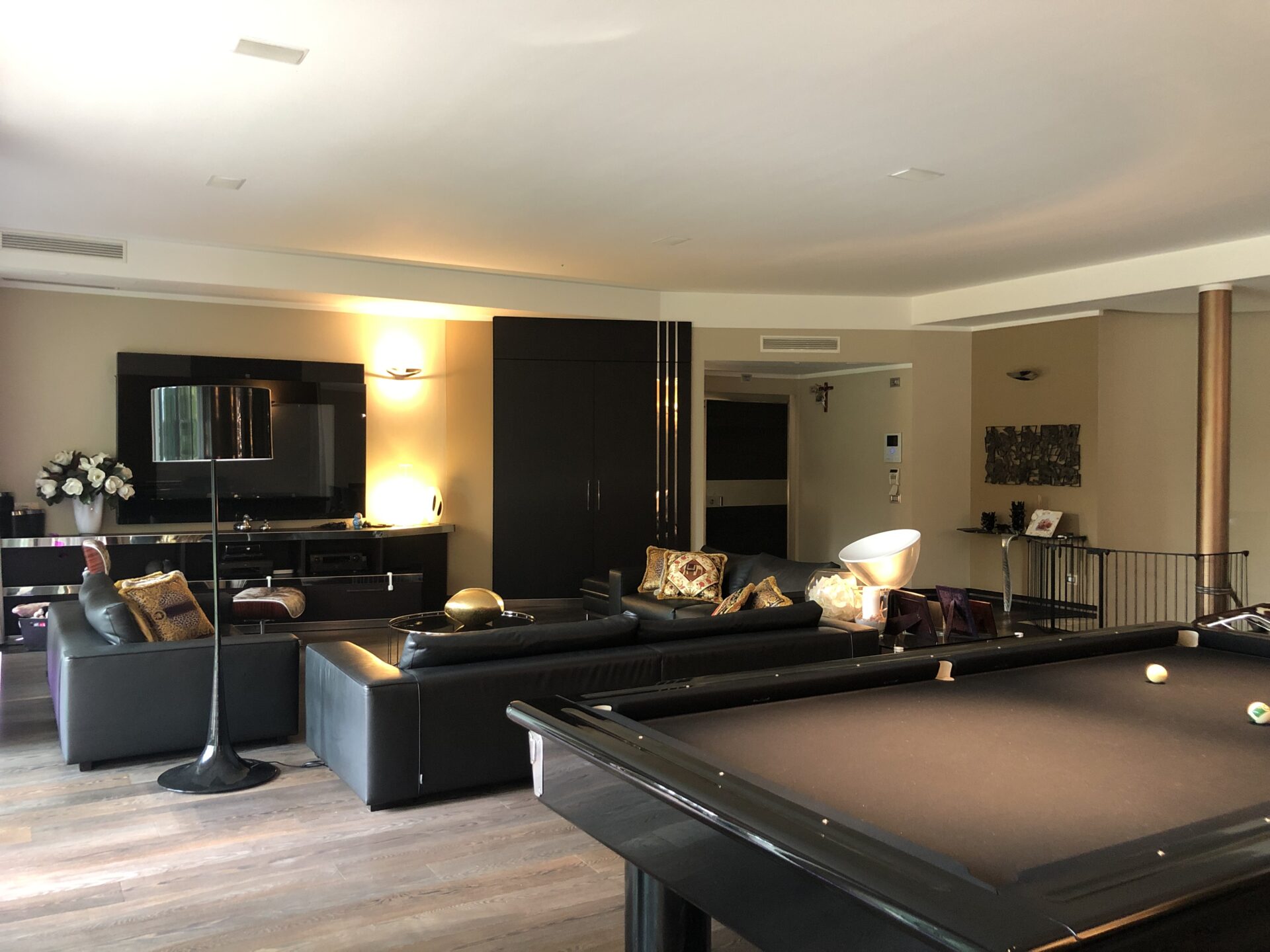
Lighting plays a key role in make the most of every type of venue. From elegant villas and urban lofts to modern apartments and workspaces, as well as picturesque gardens, event spaces, and industrial settings, it is advisable to take a specific approach to lighting.
In the indoor locations, make the most of natural light, when available, to create a natural and sophisticated atmosphere. Use artificial lighting to balance the natural light and reduce unwanted shadows. Play with light and shadow to add depth and interest to your images.
In the outdoor spaces, capture natural light—especially during sunset—to create romantic and evocative effects. Use LED lights to create a warm and magical ambient glow. Experiment with the interplay of light and shadow to capture breathtaking images at night.
In workplaces, such as offices, choose functional and efficient lighting; use dimmable LED lights to create different atmospheres and adapt to various needs. Balance direct and indirect light to create comfortable workspaces.
In the event and conference venues, choose flexible lighting to adapt to the varying needs of your events. Use LED lights with color effects or dynamic lighting to add elegance and vibrancy to your spaces. Highlight spaces with accent lighting to draw attention to key areas.
In the industrial spaces and warehouses, choose powerful, functional lighting; use high-intensity LED lights for even, bright illumination. Avoid shadows and dark spots by positioning the lights strategically.
Every setting offers unique opportunities to capture special moments and create memorable photos and videos. Use natural and artificial light strategically to make the most of every location, transforming it into a set ready to capture the essence and beauty of your photo or video shoots.
How can you balance natural light and artificial light?
In the world of photography and video, the balance between natural and artificial light It is a crucial challenge for achieving high-quality results. Making the most of natural light to illuminate the subject or the setting is essential for creating authentic and engaging images. There are, however, situations in which natural light alone may not be sufficient to achieve the desired result.
The’Strategic use of artificial lighting It offers the flexibility needed to correct and enhance lighting in a targeted manner. These lights can be positioned in strategic locations to compensate for any shadows or poorly lit areas, ensuring a well-balanced, high-quality result. When you’re taking photos or filming indoor videos, make the most of natural light coming through windows or skylights. This soft, diffused light creates a natural and pleasant atmosphere. If certain parts of the scene are too dark or have unwanted shadows, using artificial lights such as softboxes or diffuser panels can help add light and balance the overall lighting.
In external situations, such as photos or videos taken outdoors In spaces such as gardens or event venues, natural light can vary significantly depending on weather conditions and the time of day. Here, the use of artificial lighting becomes even more important for controlling and adjusting the lighting according to your creative vision. You can emphasize specific details or subjects by using fill lights or accent lights to create a more engaging visual effect.
The balance between natural and artificial light It requires a trained eye and careful planning. Experiment with different positions and intensities of artificial lighting to achieve the desired result. The goal is always to create harmonious lighting, so that it is difficult to distinguish between natural and artificial light, but rather to perceive the whole as cohesive and well-balanced lighting.
Once you have a good grasp of this technique, you’ll be able to capture well-lit images and high-quality videos that grab your audience’s attention and convey the essence and atmosphere of the scene.
One more tip…
Choosing the Right Location And having access to high-quality services is essential for achieving the desired results in the world of photography and video production.
In our archive, you can explore the available locations and be inspired by the beauty and versatility of our spaces. With the support of our team and our cutting-edge technical solutions, you’ll create unforgettable photo and video shoots.
We offer a a wide selection of villas, lofts, apartments, gardens, event spaces, and industrial venues, Each one has its own unique charm and evocative atmosphere. You’ll be able to find the venue that perfectly suits your creative needs and aligns seamlessly with your vision for the project. So what are you waiting for? Happy searching, and if you need any help, Contact us now—no obligation!
sidebar-block
WHAT ARE YOU LOOKING FOR?

Are you looking for trendy locations in Sardinia with a sea view to shoot a music video?
Are you looking for exotic, luxury locations to shoot a movie?
Are you looking for ideas for a vintage loft in Milan to shoot a commercial?
sidebar-block
HOW WE CAN HELP YOU
Find out how to transform a historic villa into a dream setting for a film production
How do you choose the perfect apartment for a video production?
Are you looking for a prestigious location for a photo shoot in Milan?