Search for a Location
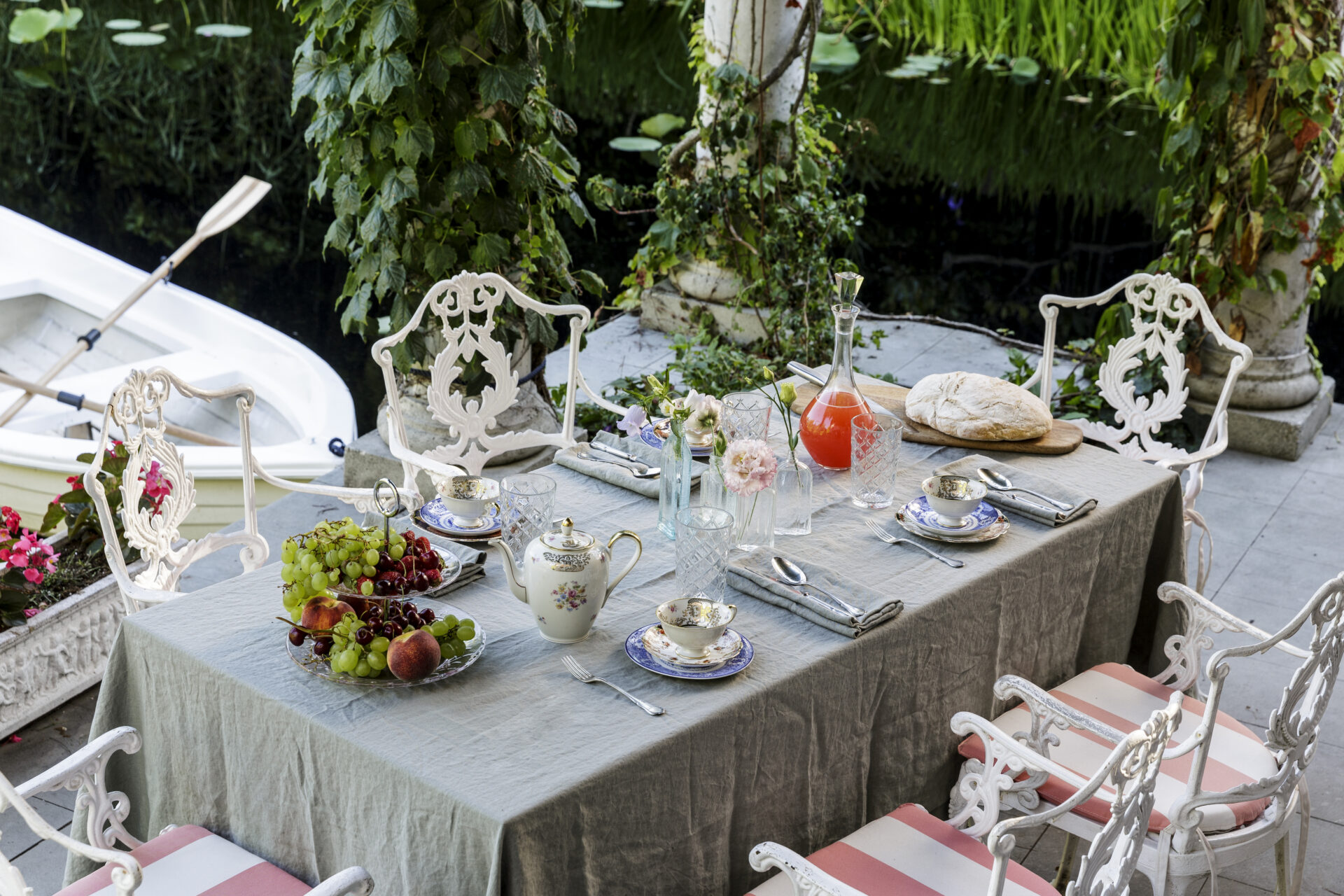
How to Plan a Perfect Event
How do you plan the perfect event?
Organize an event It can be a demanding and stressful challenge that requires planning many details and managing several key aspects. From defining the event’s objectives and theme to selecting the venue and catering, every aspect must be carefully considered to ensure success.
If you’re feeling overwhelmed by the responsibility and pressure that come with planning a successful event, you’ve come to the right place! This article is designed to guide you through this challenging process, offering useful tips and strategies to help you organize a memorable experience. We’ll take you through everything from setting goals and choosing an appropriate theme to managing your budget, selecting a venue, and creating a guest list. Together, we’ll cover planning the program and activities, catering, logistics, and staffing.
With the right approach and our resources, the Planning Your Event It can go from being a stressful task to an almost fun experience. Shall we get started?
Planning the Perfect Event: Objectives and Theme of the Event
Before you start planning, it's essential to define the Goals for Your Event and choose an appropriate topic. Ask yourself:
- What is the purpose of the event?
- Do you want to raise funds?
- Celebrate a special occasion?
- Promote a product or an idea?
- to provide an opportunity for socializing and having fun?
Identify the purpose of the event It will help you set priorities and make informed decisions throughout the planning process.
Once you’ve clarified the objectives of your event, it’s important to choose an appropriate theme that aligns with those objectives and reflects the atmosphere you want to create. The theme will serve as the guiding thread for all your decisions regarding the event, from decorations to catering, invitations, and entertainment.
For example, if you're planning a fundraiser for a charity, you might opt for an elegant and formal theme, such as a gala dinner or a masquerade party. If the event is an informal celebration with friends and family, however, a more relaxed and fun theme, such as a beach party or a barbecue, might be more appropriate.
Also consider your guests’ tastes and preferences when choosing a theme. If your event is aimed at a younger audience, you might opt for a modern and creative theme that encourages participation and interaction. If, on the other hand, your event is aimed at a more mature or traditional audience, a classic and elegant theme might be more appropriate. For a private party, you can opt for the’Venue rentals for celebrations, birthdays, weddings, or parties in order to make the whole thing more intimate.
Remember that the theme doesn’t have to be rigid or restrictive; it can be a flexible starting point that helps you maintain consistency and harmony among the various elements of the event. The goal is to create an engaging experience for your guests that reflects your vision and the event’s objectives.
Setting the Budget for a Perfect Event
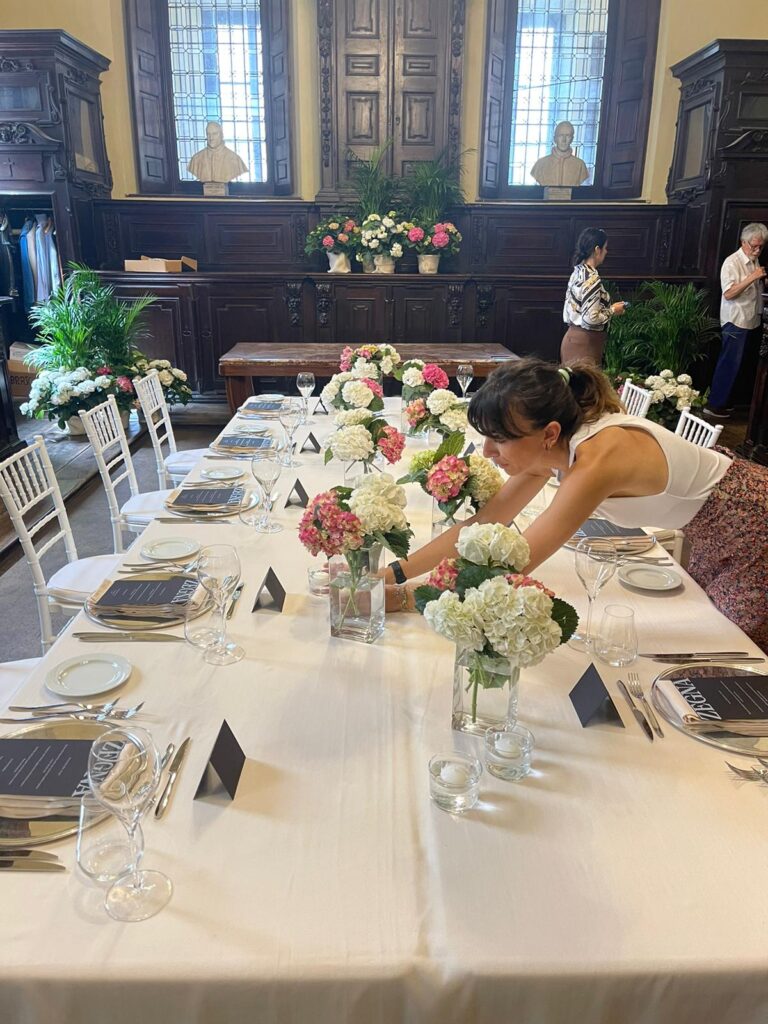
A well-defined budget is important for the Planning a Successful Event, because it allows you to keep track of expenses and avoid unpleasant financial surprises. Take some time to make a list of anticipated expenses based on the event’s goals and theme, considering every aspect to ensure that all costs are covered.
Be sure to include costs such as the venue rental, catering, entertainment, decorations, promotion, printing invitations, staff, and any other costs that might be relevant to your event. Don’t forget to also factor in any unforeseen circumstances, such as inclement weather or last-minute cancellations, and to set aside a percentage of your budget to cover these contingencies.
Choosing the Perfect Date and Location for an Event
The Choosing the Date and Location of your event is crucial, because these factors have a significant impact on the event’s overall success. When choosing a date, keep the following in mind:
- guest availability
- the holidays
- weather conditions
- any other event that might conflict with your
Try to plan well in advance so you can ensure that the most important people will be there and give them time to make arrangements.
For find the perfect venue, carefully evaluate the size, location, and accessibility in relation to your event. Make sure it is suitable for the expected number of guests, the theme, and the activities you have planned. Also consider any parking needs, restroom facilities, and catering spaces, if necessary. If possible, visit the venue in advance to get a clear idea of its features and limitations, such as acoustics, lighting, and outdoor areas.
Assess the venue's accessibility for guests with special needs and ensure that the venue you choose can meet those needs and provide a pleasant and inclusive experience for all participants.
Also keep in mind that your choice of venue could affect your budget, especially if it’s a particularly prestigious or popular location. Try to find a balance between quality, price, and consistency with your event’s theme—did you know we can handle all of this for you?
Create a guest list for an event
The next step is to make a guest list. Consider the the scale and nature of the event to choose the right number of participants. Keep in mind that inviting too many people could cause logistical problems, while inviting too few could have a negative impact on the atmosphere.
Once you've finalized your guest list, design the invitations to reflect the theme and atmosphere of the event. Decide whether to send paper or digital invitations, and remember to include all the necessary information—such as the date, time, location, and dress code—and to send the invitations well in advance.
Planning the Schedule and Catering for a Perfect Event
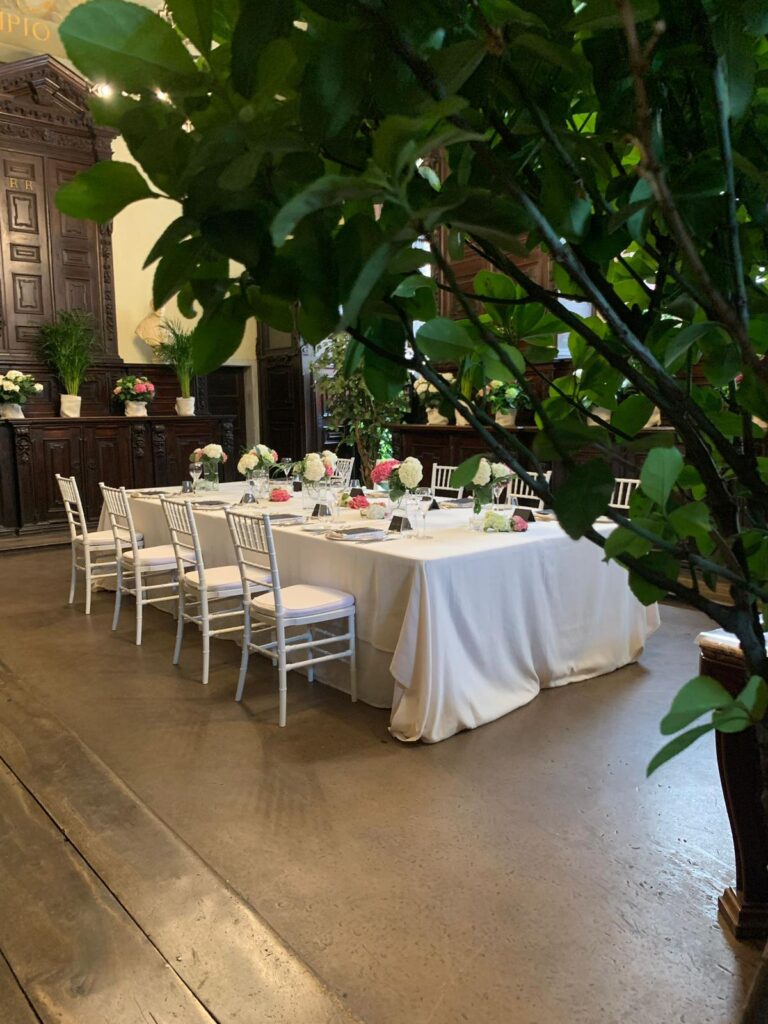
A well-structured program is a major factor in the success of your event. We recommend that you carefully plan the order of activities, breaks, and opportunities for socializing, striking a balance between entertainment and free time for your guests.
Activities and entertainment must be consistent with the event's theme and objectives. For example, for a corporate event You could organize workshops and presentations, while for a wedding you could arrange for live music and games for the guests.
And what about the catering?
Food and drinks make everyone happier, but only if they’re good and suitable for all guests. When choosing a caterer, consider the type of event, your guests’ preferences, and any dietary restrictions. Try to offer a wide variety of options to satisfy everyone’s tastes.
For beverages, select a suitable selection: for example, a formal event might call for fine wines and sophisticated cocktails, while an informal event might call for beer and non-alcoholic beverages.
Organizing the logistics and staff for an event
Carefully plan details such as transportation, parking, and accommodations for guests coming from out of town. Also, be sure to have a Plan B in case of unforeseen circumstances, such as inclement weather.
Staff is another important factor to consider: make sure you have enough staff to handle the various tasks, such as security personnel, coat check attendants, and waitstaff. Good communication with all of them is essential to ensuring that the event runs smoothly.
What should you do if you don't have time to plan a perfect event?
The’Organizing a Successful Event, as you've seen, takes time, dedication, and a lot of organizational and problem-solving skills. By following the tips and strategies we've put together for you, you'll be able to Organize a Perfect Event in a simpler way. But what should you do if you’re short on time and don’t have all the necessary skills? You’ll definitely need professional support, and we’re here to help you.
With our experience and expertise in the events industry, we can handle every aspect of planning—from defining objectives and themes to managing the budget, selecting the venue, promoting the event, and more. By working with our agency, you can rest assured that every detail has been carefully considered and that your event will be organized with the utmost care and professionalism.
Contact us with no obligation to find out how we can organize the perfect event—yours!
sidebar-block
WHAT ARE YOU LOOKING FOR?

Are you looking for trendy locations in Sardinia with a sea view to shoot a music video?
Are you looking for exotic, luxury locations to shoot a movie?
Are you looking for ideas for a vintage loft in Milan to shoot a commercial?
sidebar-block
HOW WE CAN HELP YOU
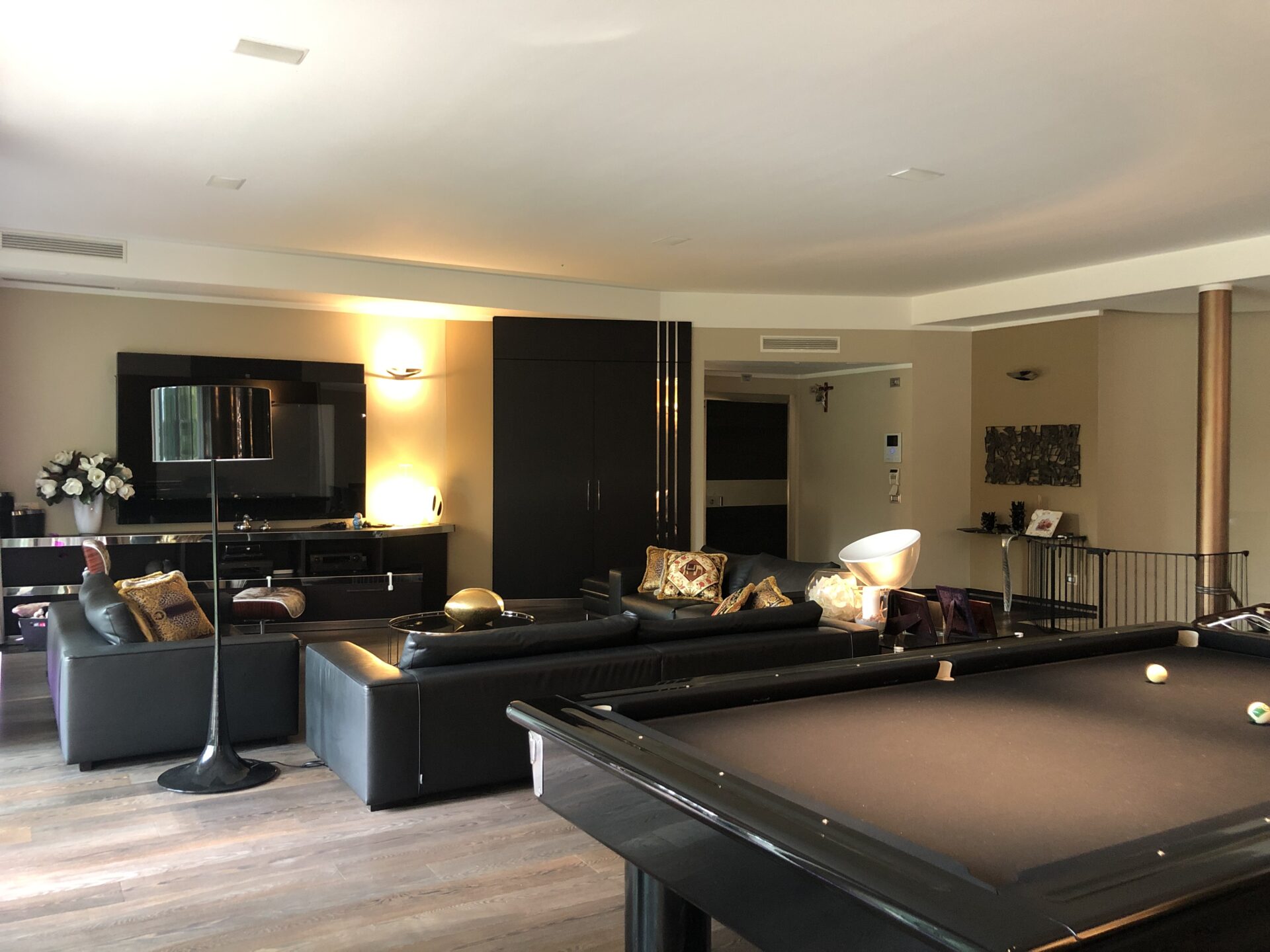
Find out how to transform a historic villa into a dream setting for a film production
How do you choose the perfect apartment for a video production?
Are you looking for a prestigious location for a photo shoot in Milan?